
What it really means to communicate well in healthcare
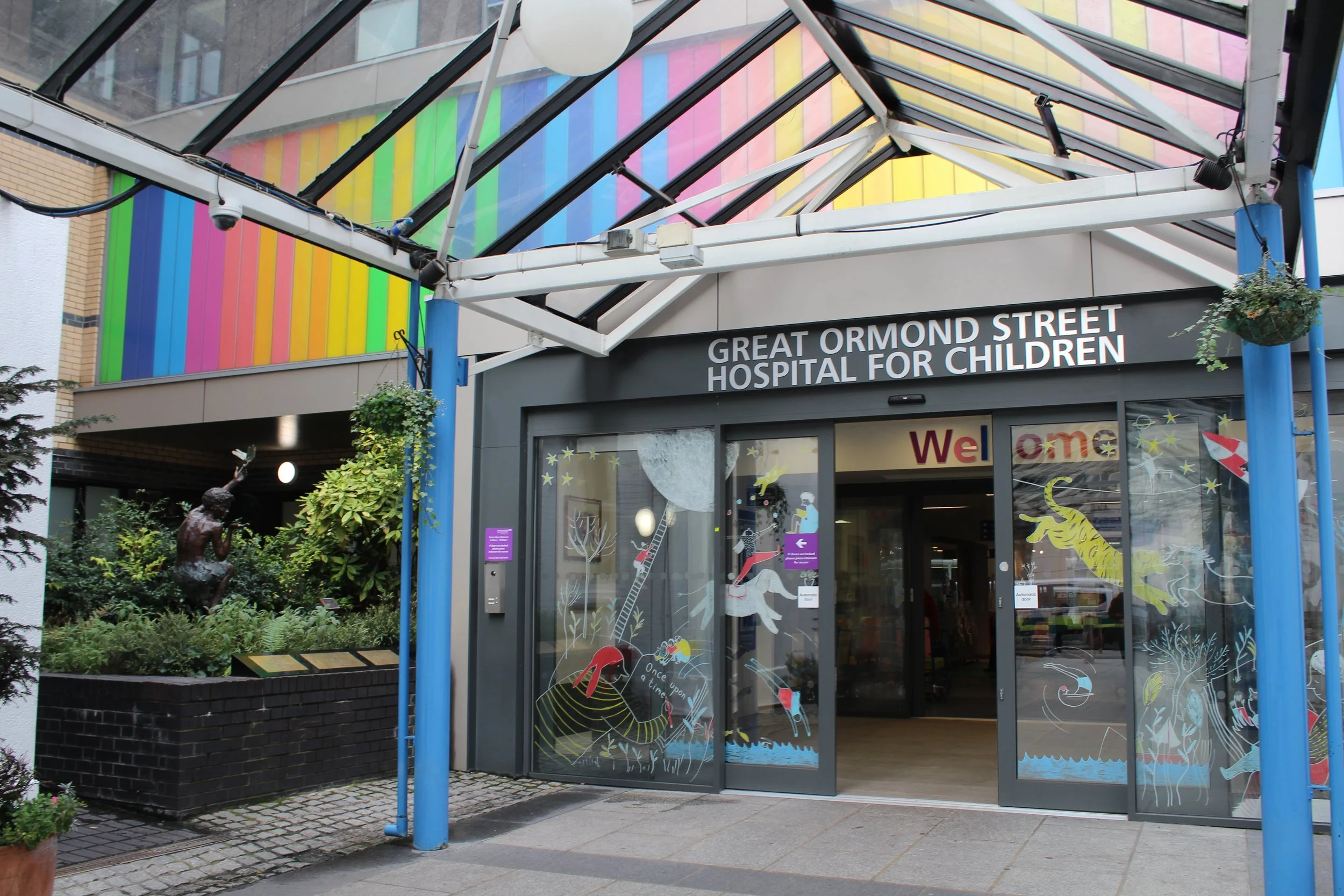
We are about to launch a new film with Great Ormond Street Hospital about the children and families who take part in clinical trials at the NIHR GOSH Clinical Research Facility. The facility provides specialist care for children and young people participating in clinical research studies, including early-phase and experimental medicine trials, making it one of the most significant centres of its kind in the country.
Medical and research communication is something we have come to know well throughout our partnership with GOSH. But what we have learned goes deeper than the individual projects we work on together. Working closely with them over many years has taught us what it really means to communicate well in healthcare, and why it matters to the people living through it. I want to share some of what that has meant to us, professionally and personally.
Our relationship with GOSH did not begin as a professional one. Our daughter was born with CHARGE syndrome, a rare and complex genetic condition, and from her very first hours of life, GOSH was there. What followed was years of extraordinary care that went well beyond the medical. They helped us understand her condition, navigate it, and find our feet as a family. That kind of support never leaves you. Over time, our relationship with GOSH grew into something more. It is that journey, personal and professional, that has shaped how we think about communicating in healthcare.
What lived experience brings to the work
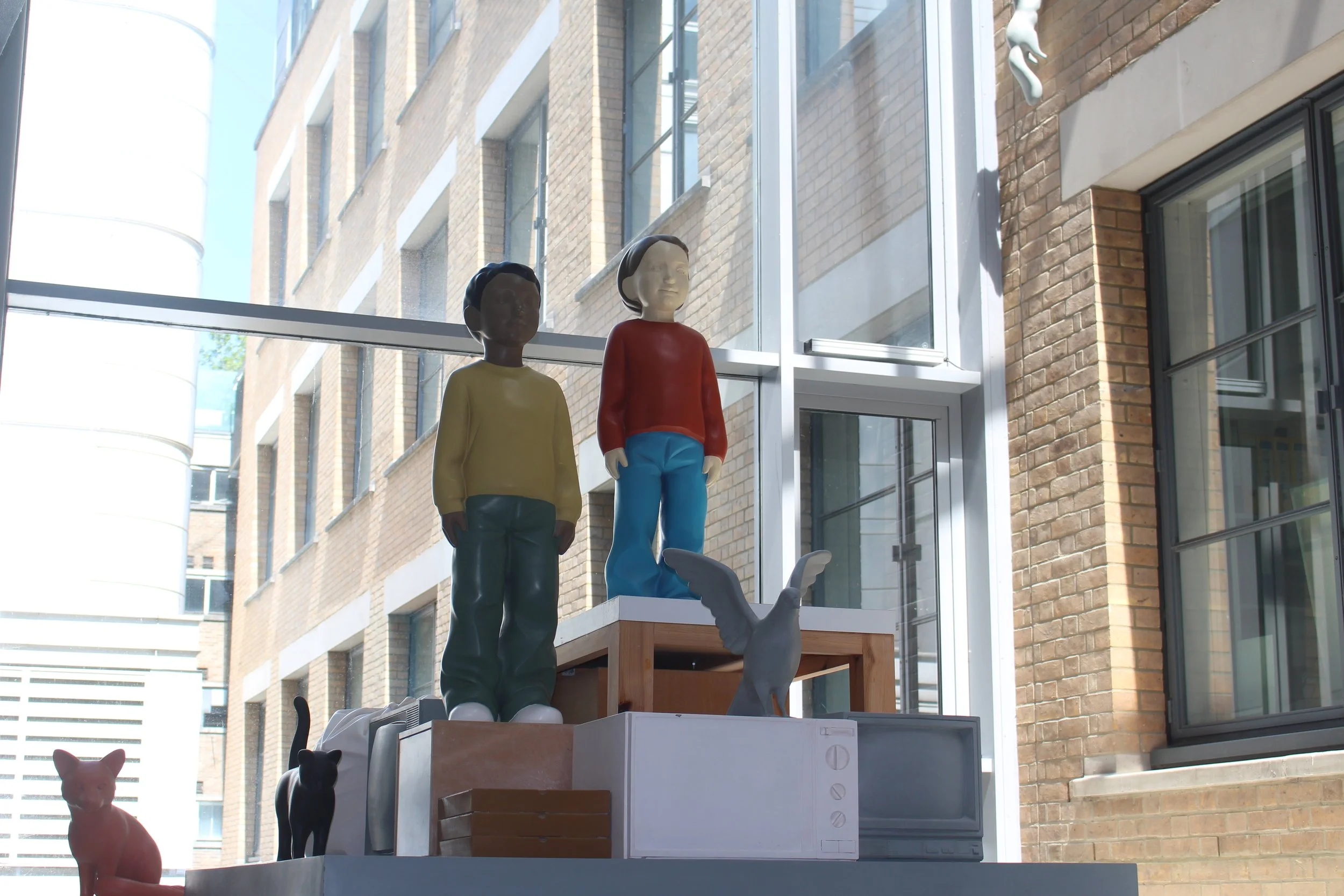
Lived experience changes you. Not always easily, and not always in ways you can immediately articulate. But over time, going through something difficult alongside an institution like GOSH, you come to understand things about communication that are hard to learn any other way. What it feels like to need information that is clear and delivered with care. What it means to feel seen, or not seen, by the world around you. How much it matters when an organisation gets that right.
I remember when our daughter was born. The doctors and clinicians were very good at explaining her conditions to us. But as we looked further afield, searching for more, we found ourselves in a world of medical journals and clinical detail. And somewhere in all of that, our daughter stopped feeling like our newborn and started feeling like a list of diagnoses. The human stories were almost impossible to find. What would her life look like? What did it mean to live with these conditions? Where were the families who had been through this and come out the other side? We were pointed towards charities, and some of them helped. But I kept wondering why those stories were not part of the hospital itself. Why were they not on the walls, in the waiting rooms, in the communications families received? Human stories are how we understand the world. Without them, you are left alone with the clinical facts, and that can be an incredibly isolating place to be.
Good communication has to work for everyone. It needs to reflect what an organisation does, what it stands for, and how it wants to be understood. But it also has to reach the people receiving it on their terms, meet them where they are, and help them feel less alone. And it has to work internally too. When staff are well informed and understand not only the clinical facts but also the human reality of what families go through, they can communicate with greater clarity and humanity. That is what we try to bring to every project we work on. Not just clear information, but human stories. Because that is what was missing for us. And we know we are not alone in that.
Representation matters
Good communication is not just about clarity. It is also about recognition. About whether the people you are trying to reach can see themselves in what you are showing them.
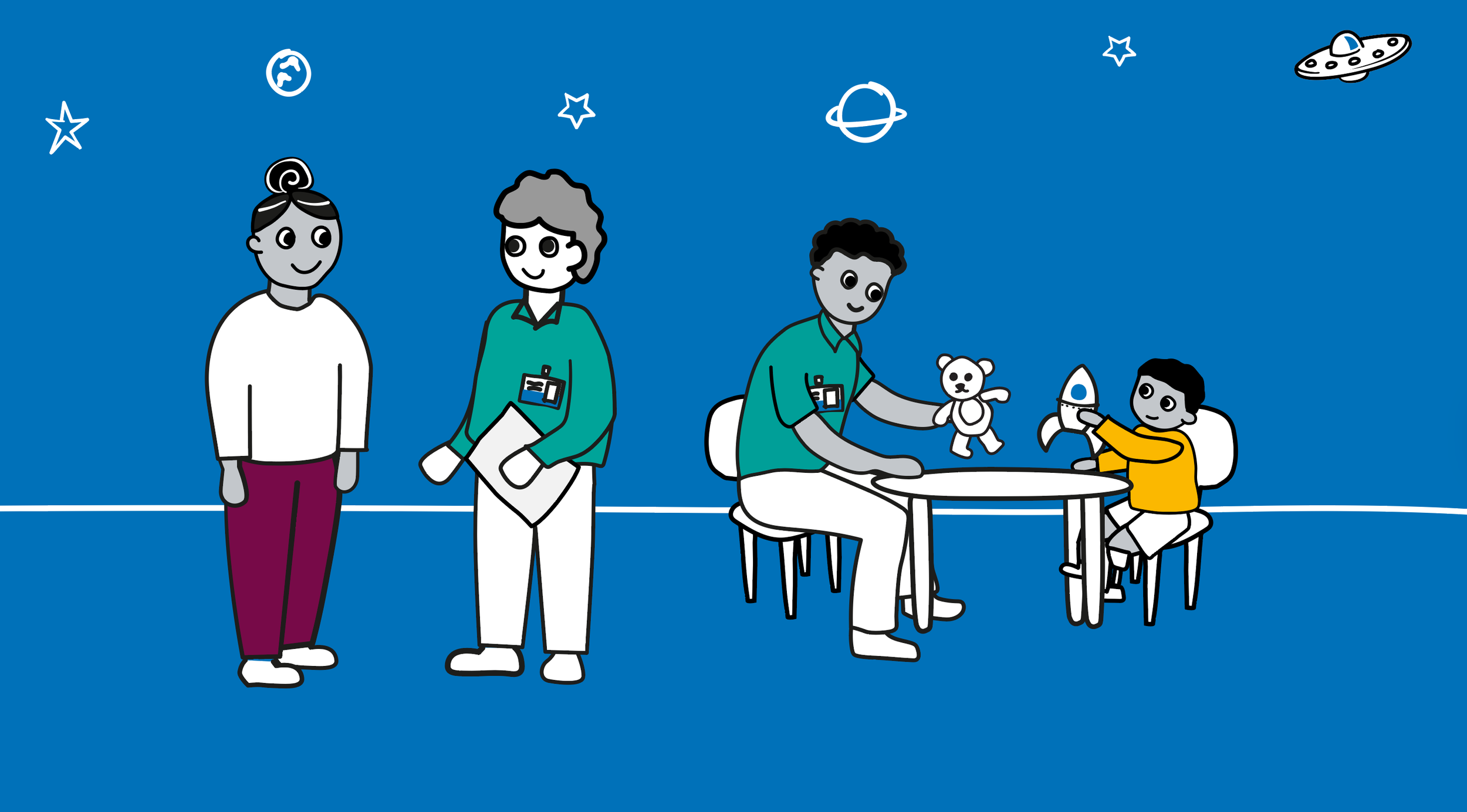
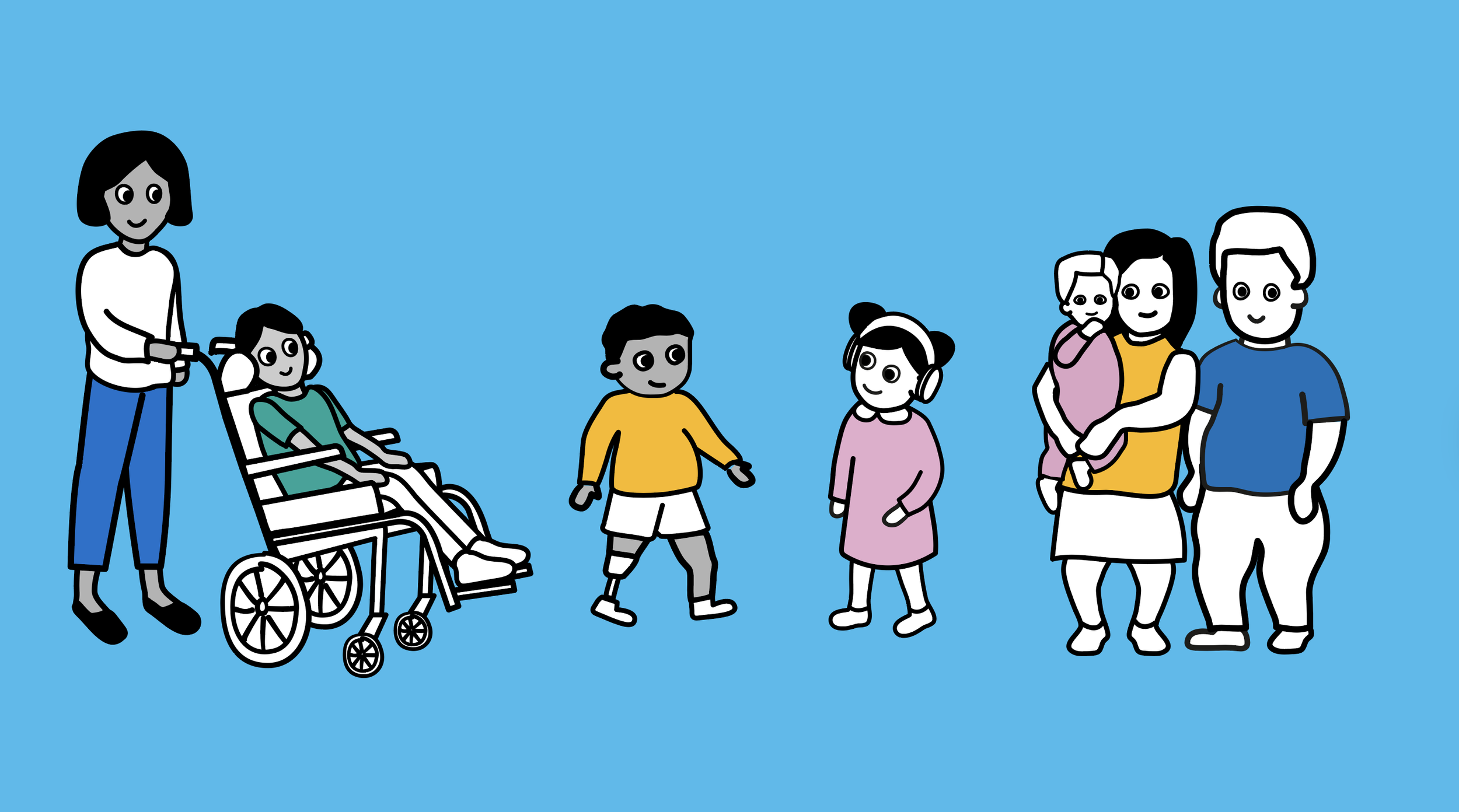
When a child or family sees themselves genuinely represented, it changes everything about how they see themselves. So much of the medical information out there focuses on the condition, not the person living with it. Good representation means showing what life actually looks like for that person. Not just the medical facts, but who they are.
A while back, we worked on an animation helping parents and children understand what happens to their data. GOSH ran focus groups with young people and their families, asking them directly: "What do you need to know? How do you want us to talk about it? How do you want to see it?" Those conversations shaped everything that followed. The scripts, the storyboards, the imagery, the language. It was a genuine partnership, driven by listening to the people it was meant to serve.
As our daughter became a teenager, I was thinking about how she could begin to take over her own care, how to advocate for herself, understand what happens to her data, and navigate the system. This work with GOSH felt personal because it was addressing exactly those questions. It was about giving young people agency and voice in their own healthcare.
When stories genuinely represent the people they are meant to reach, everything changes. They build more trust. They land more deeply. People connect with stories that feel like theirs.
Why this matters beyond healthcare
Our lived experience has taught us what matters most. When you understand what it feels like to be on the receiving end of communication, when you have lived the vulnerability and the need for clarity, you see things differently. Human stories matter. Not just in healthcare. Everywhere. Wherever real people are trying to understand complex things.
That understanding shapes how we work with everyone we partner with. We know what it feels like to be lost in the detail. We know what it feels like when someone takes the time to explain things in a way that makes sense. We know the difference it makes when you feel informed, represented, and less alone. And we bring that to every project, every sector, every story.
The new clinical trial animation from GOSH will be launching soon. Keep an eye on this space for updates - we’ll be sure to share it as soon as it goes live.